PublicationsResearchCriminal Justice, PolicingNot Victimless: Understanding the Harmful Effects of Police CorruptionThis paper seeks to identify the major effects of corrupt acts on the criminal justice system, police relations with the public and the organisational culture of the police. It emphasises the social harm that corrupt acts result in. The primary purpose of this discussion is to combat the view of police corruption as "victimless." It seeks to bring to the attention of the reader the very damaging effects of corrupt acts and to point out that such acts not only have indirect consequences, but often identifiable victims. Read More Talha SyedFebruary 3, 1997
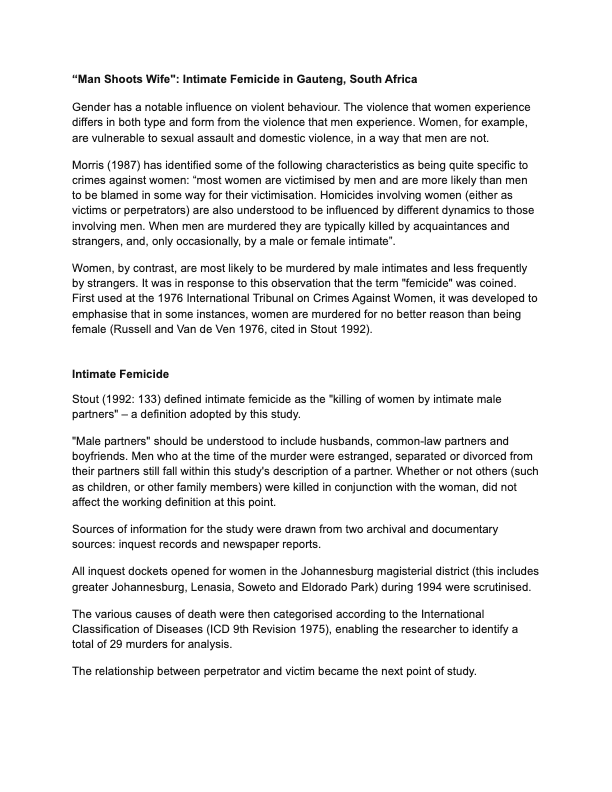
PublicationsResearchGender-based ViolenceMan Shoots Wife: Intimate Femicide in Gauteng, South AfricaThis essay draws on inquest records and newspaper reports to analyse the nature of femicide in South Africa. Read More Lisa VettenDecember 3, 1996
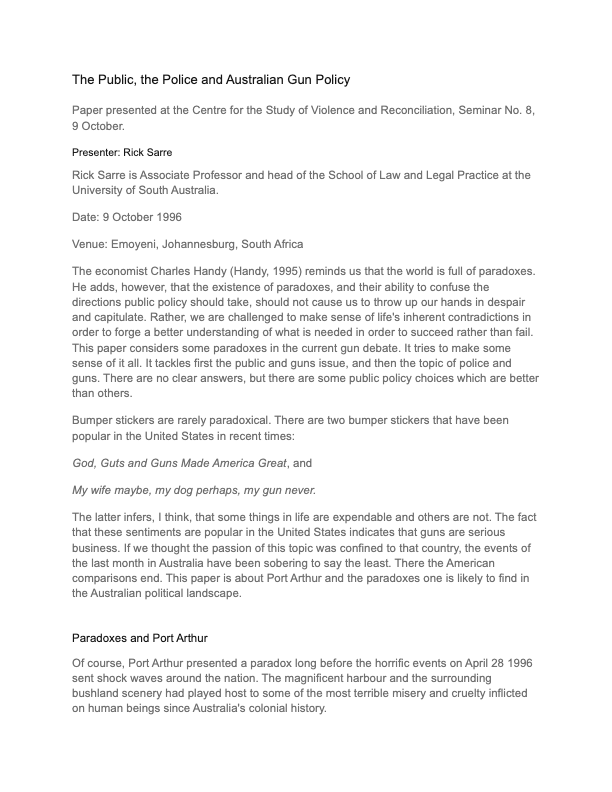
PublicationsResearchCriminal Justice, Gun ViolenceThe Public, the Police and Australian Gun PolicyThis paper considers some paradoxes in the current gun debate, focusing specifically on Australia. It tackles first the public and guns issue, and then the topic of police and guns. There are no clear answers, but there are some public policy choices which are better than others. Read More Rick SarreOctober 9, 1996
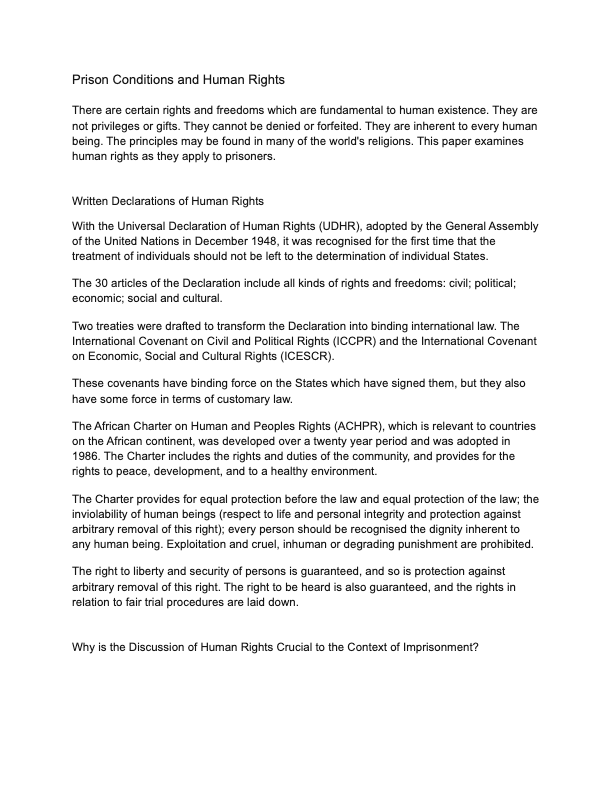
PublicationsResearchCorrectional Services, Criminal Justice, Transitional JusticePrison Conditions and Human RightsThis paper examines human rights as they apply to prisoners, focusing chiefly on South Africa. Read More Amanda DisselSeptember 19, 1996
PublicationsResearchHomophobia, PolicingAnti-Gay Hate Crimes: Need for Police Involvement to Curb Violence Committed against GaysThis paper tracks the extent and nature of anti-gay hate crimes, looking primarily at the South African context. It also looks at the involvement of police in perpetuating these crimes, and makes several recommendations for improving relations between the police and the gay community. Read More Aubrey Theron and Christiaan BezuidenhoutApril 24, 1996
PublicationsResearchTransitional Justice, Truth CommissionsBetween Acknowledgement and Ignorance: How White South Africans Have Dealt with the Apartheid PastThis report examines the way ordinary people - Germans after 1945 and South Africans after 1994- deal with an authoritarian past. The report considers how the past is perceived; to what extent people accept the new political order and its democratic values; and how they react to institutions such as the Truth and Reconciliation Commission, which try to deal with and uncover the legacies of the past. Previously published survey data from Germany and South Africa is reviewed and new empirical findings are presented from a nation-wide telephone survey of 124 white South Africans. Read More Gunnar TheissenMarch 1, 1996