
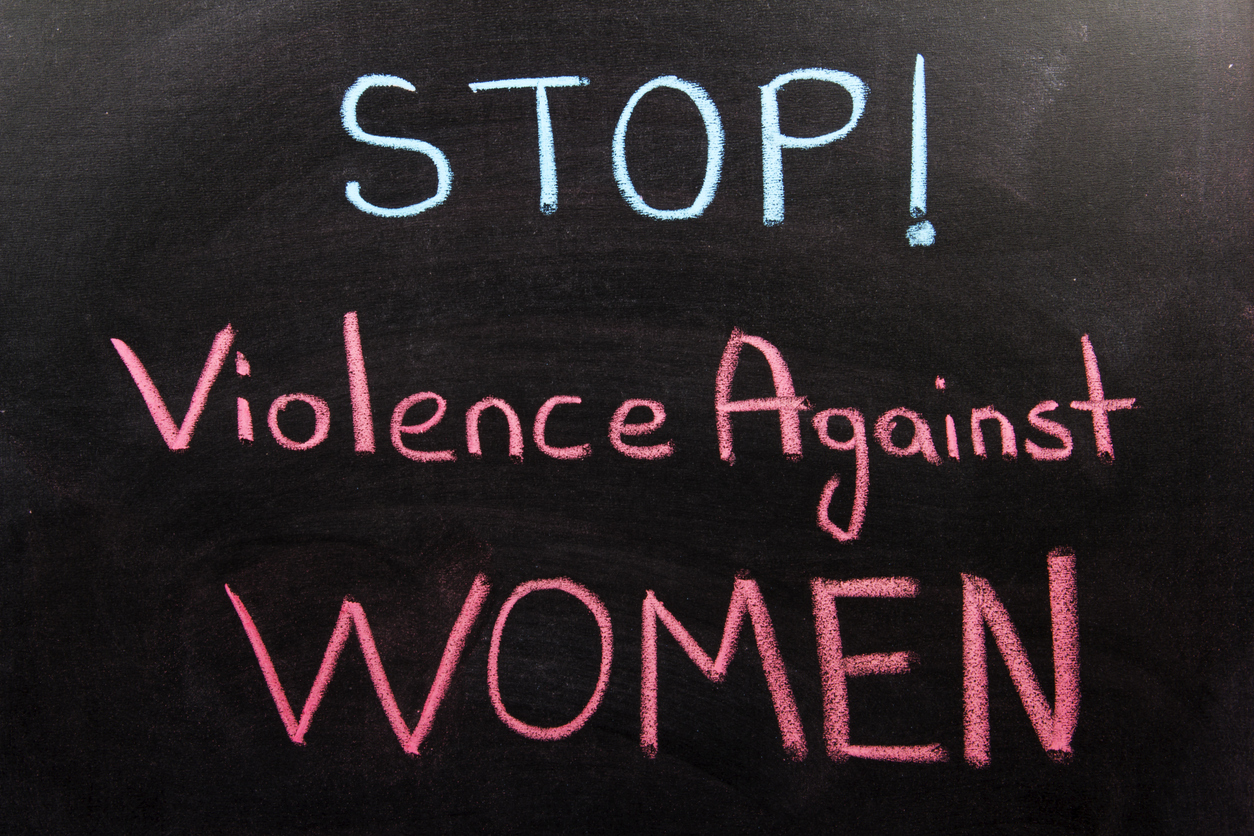
The Centre for the Study of Violence and Reconciliation (CSVR) is deeply alarmed by, and strongly condemns, the discovery of at least seven women's bodies over the past two months in the Kempton Park and Olifantsfontein areas of Ekurhuleni, Gauteng. This disturbing pattern, emerging amid escalating violence against women in South Africa, is another attack on women's rights, dignity, and safety. Police are still investigating whether the cases are linked, and some of the women have not yet been identified.
This week police also asked the public for help identifying another woman whose body was found nearby. They were daughters, mothers, sisters, and colleagues. Our thoughts are with their families and with communities across Gauteng who are living with understandable fear.
These horrific murders are being uncovered in Gauteng as CSVR prepares to hold the Fourth Southern Africa GBV Prevention Forum, on 7 – 8 October 2026, under the theme "From Rhetoric to Implementation." As the details of the murders start to become clear, and the police indicate that there is a possible serial killer stalking women in Gauteng, we are reminded, yet again, of why this Forum is needed and why it needs to be different from the previous three. As women are reminded to be 'careful' 'diligent' and 'aware of our surroundings' to not walk, run, or drive in areas not known to us or known to be 'unsafe', we note that there is no place in South Africa where women are safe. We look at policy and law to protect us, but the scourge of GBV and femicide haunts us daily.
South Africa and the region are not short on laws or strategies for gender-based violence. What's missing is the ordinary, funded, day-to-day follow-through that would let a woman get home safely, or be found quickly if she goes missing, instead of turning up weeks later as an unidentified body a forensics unit is trying to put a name to.
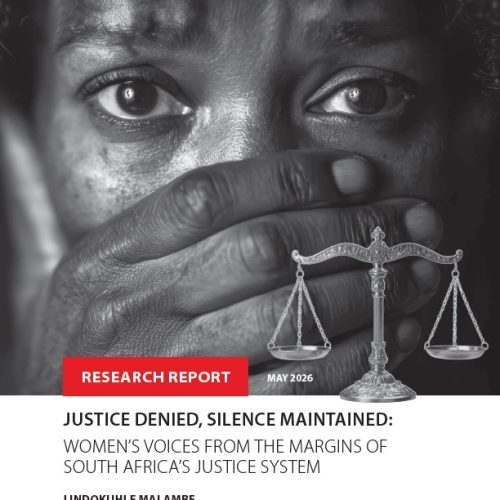
CSVR's own research backs this up. A report we published in July, Justice Denied, Silence Maintained, was based on community dialogues in Diepsloot, Alexandra, Tembisa, Orange Farm and Soweto. It found that women who do come forward after violence are often met with disbelief and poor case handling by the institutions meant to help them. One national study of nearly 4,000 rape cases found prosecutors declined to proceed with 31% of them, and only 9% ended in a conviction. A separate Amnesty International survey found 81% of survivors were never told how their case was progressing. None of what's happening in Ekurhuleni is happening in a vacuum. It's happening inside a system that already struggles to follow through even once a case is opened. The full report is on csvr.org.za.
A few things need to happen: SAPS and the Gauteng authorities need to properly resource the Ekurhuleni investigation, keep affected families informed, and treat identifying these women as urgent; police leadership should commit to regular, direct briefings for affected families, not statements filtered through media coverage, and should be transparent with the
public about what resourcing the investigation has, to ensure accountability. Governments across the region need to fund prevention, not just crisis response, they should weigh prevention funding of shelters, early intervention, community-based services alongside crisis response, rather than as a secondary priority. Evidence suggests prevention is more cost-effective over time, and funding it at a scale that matches the problem would strengthen the response before cases like this occur, not just after. Donors reconsidering gender funding need to think hard about what that retreat costs; they should be funding more shelters, prevention programmes, and support services. And communities, media and civil society need to keep the pressure on long after this case stops making headlines.
The Forum itself will bring together government officials, regional bodies, civil society, survivors and youth leaders from ten countries this year (Botswana, Eswatini, Lesotho, Madagascar, Malawi, Mozambique, Namibia, South Africa, Zambia and Zimbabwe), with the goal of walking away with actual commitments and timelines, not just another round of dialogue. What's happening in Ekurhuleni this week won't be a side note. It will be part of the conversation in the room.
_____________________________________
END
For media queries, contact:
Naledi Joyi
Gender Officer
+27 69 924 6771

CSVR is a multi-disciplinary institute that seeks to understand and prevent violence, heal its effects and build sustainable peace at the community, national and regional levels.