

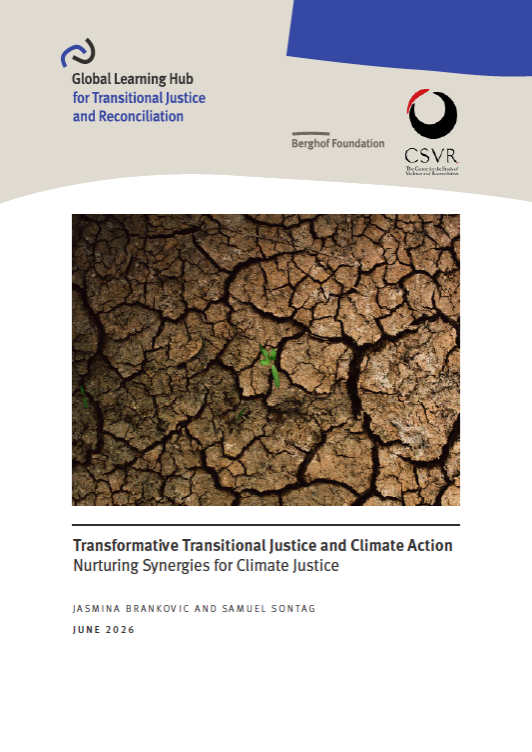
Transformative Transitional Justice and Climate Action: Nurturing Synergies for Climate Justice
In the face of rapidly escalating but unevenly distributed harms, global climate governance is struggling to prevent catastrophic warming while addressing growing demands for climate justice. This paper proposes transformative transitional justice as a lens through which to identify two sources of climate justice action: elements of justice latent within climate policy architectures, and community justice actions too often overlooked by formal institutions. It identifies ways to connect these institutional...
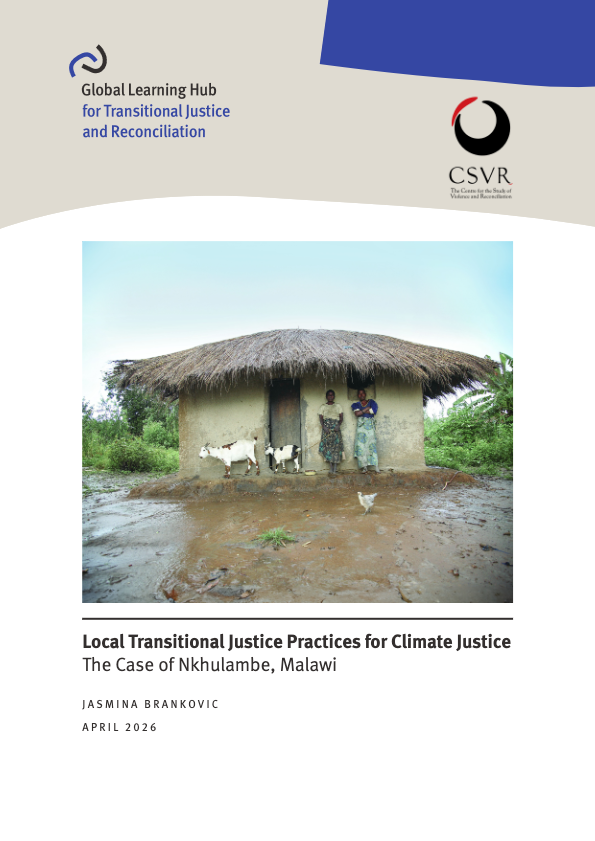
Local Transitional Justice Practices for Climate Justice: The Case of Nkhulambe, Malawi
This report applies a transformative transitional justice lens to the numerous climate actions designed and implemented by residents of Nkhulambe, a community in Malawi heavily affected by climate change. Typically used to deal with gross human rights abuses, transitional justice is an established field of theory and practice that is designed to acknowledge the truth of past harms, provide redress to those affected, ensure the accountability of those responsible, and create an institutional environment...
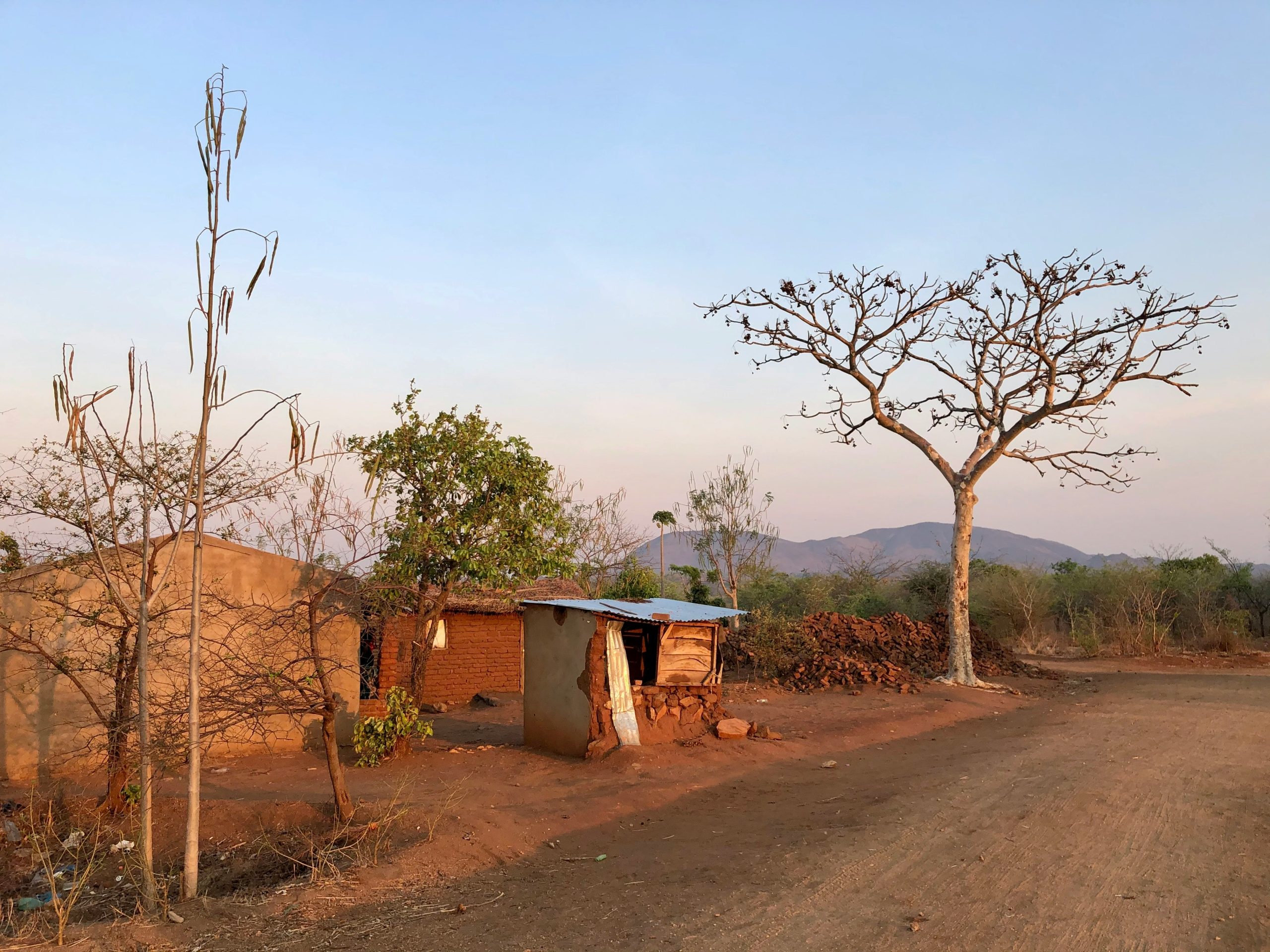
Video: Rethinking Climate Justice
Climate justice is at a turning point. While some of the world's major emitters are stepping back from climate commitments, communities that have contributed least to climate change are suffering some of its most severe impacts. These impacts often intersect with or exacerbate other existing conflicts, violence, and socio-economic or political marginalisation, further intensifying vulnerabilities of local populations. In response, affected communities are taking action to address climate-related...
