
WHEN "YES" IS NOT FREE: POWER, COERCION, AND CONSENT IN SOUTH AFRICA
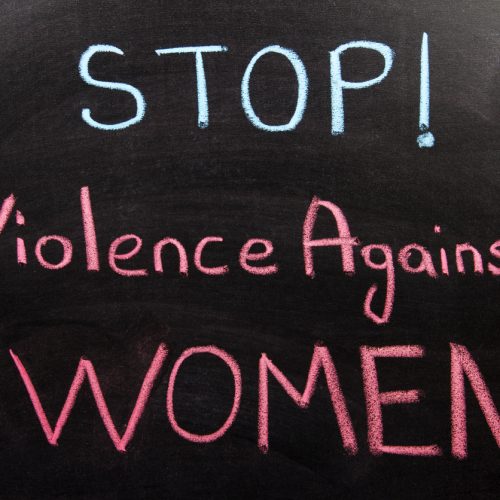
Nearly seven women are killed by an intimate partner every day, a figure that has remained unchanged since 2009, placing South Africa among the countries with the highest femicide rates in the world. At the same time, more than 100,000 girls between the ages of 10 and 19 gave birth in 2024, including 2,000 children aged 10 to 14, even though children under 16 cannot legally consent to sex. These realities reflect deeply entrenched gender inequality, violence, and the systematic erosion of bodily autonomy. They expose a deeper truth: what is often framed as consent is shaped, and frequently distorted, by power.
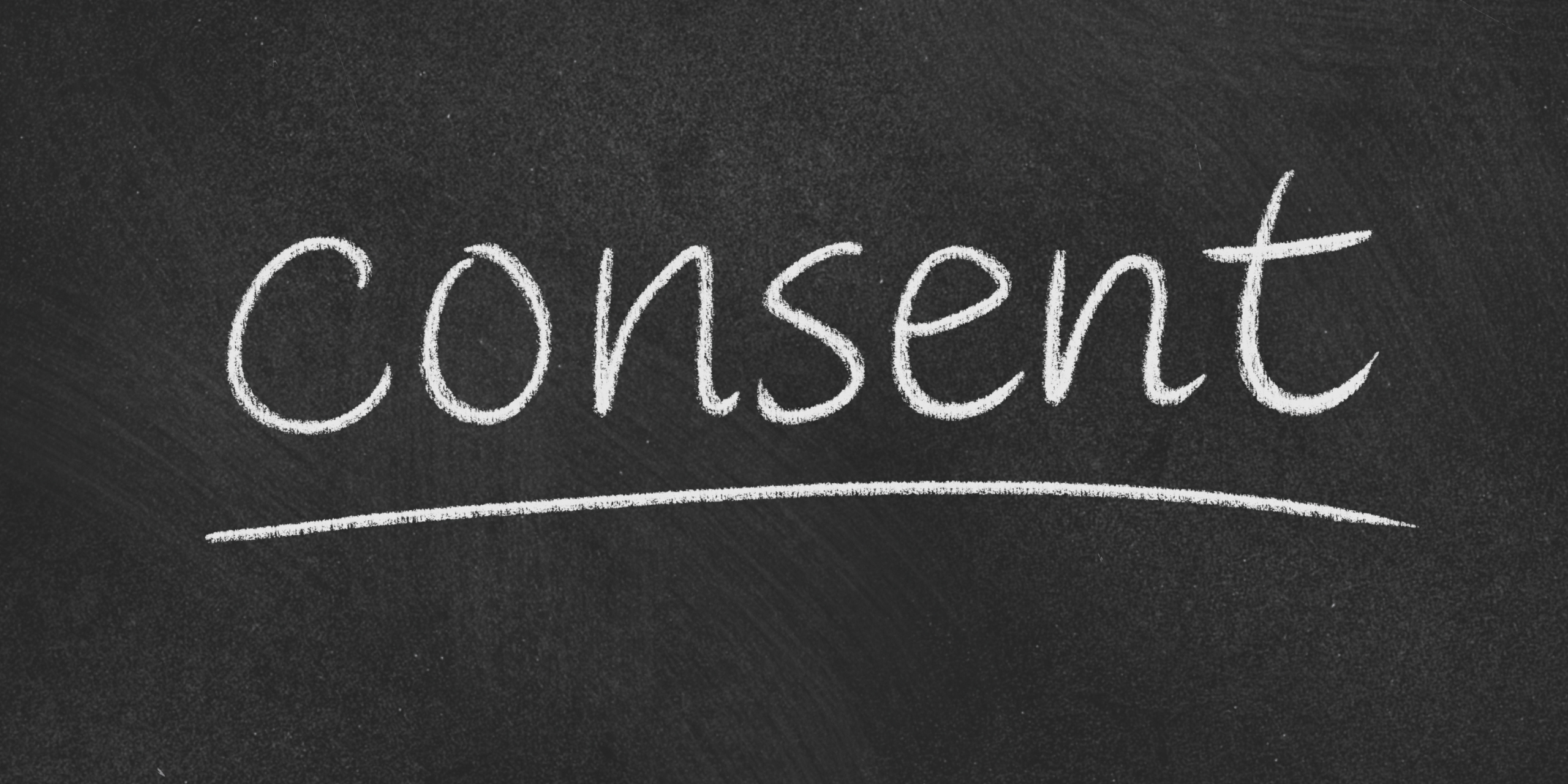
The right to decide what is done to one's body lies at the core of human dignity, freedom from violence, and bodily and psychological integrity. Article 4 of the Maputo Protocol, which South Africa ratified in December 2004, affirms these protections. Still, consent cannot be reduced to a simple "yes" or "no." It is a clear, voluntary, and enthusiastic agreement to engage in a specific act, given without pressure, force, manipulation, or intimidation, and it can be withdrawn at any time. Crucially, however, consent does not occur in a vacuum. It is shaped by power, vulnerability, and whether the surrounding environment allows for genuine choice. Where inequality, coercion, or fear operate, even subtly, what looks like agreement may not be consent at all.
In South Africa, this reality plays out in stark and measurable ways. High rates of gender-based violence, sexual assault, and teenage pregnancy reveal how often consent is undermined or ignored. For many young girls, "consent" is negotiated in silence, in classrooms, homes, and relationships where saying no carries consequences. The widespread underreporting of these violations, particularly among vulnerable groups, further underscores that consent cannot be assumed in contexts marked by inequality and fear.
South African law recognises this complexity. The amended Sexual Offences Act of 2021 defines consent as a voluntary and uncoerced agreement, explicitly stating that force, intimidation, threats, or deception render sexual acts involuntary. It further acknowledges that the abuse of power or authority can inhibit a person's ability to refuse, thereby invalidating consent. The Domestic Violence Amendment Act of 2021 further expands protections by recognising coercive control as a form of abuse.
These legal developments reflect a broader understanding: consent cannot be separated from the conditions under which it is given. South Africa's legal history illustrates how distorted notions of consent have long been embedded in both law and society. Until 1993, husbands were exempted from prosecution for rape or sexual violence against their wives, a legal fiction that treated marriage as permanent consent. Although the Prevention of Family Violence Act of 1993 abolished that exemption, its legacy persists in harmful social beliefs that continue to shape attitudes toward sex and gender. The shadows of these myths persist, with many still believing that marriage creates a duty of consent, revealing how deeply law and social norms remain intertwined.
Similarly, the decision in S v Zuma permitted the cross-examination of a complainant's sexual history as evidence of consent, reinforcing prejudicial assumptions about women's credibility and sexual behaviour. The law has since been amended to render such evidence inadmissible and irrelevant.
More recent jurisprudence has sought to correct these misconceptions. In Makhanda v Coko (2024), the Supreme Court of Appeal overturned a High Court ruling that implied consent to one sexual act could extend to another, affirming that consent must be specific, ongoing, and independently established. The idea that silence implies agreement or that lack of resistance equals consent continues to distort public understanding, particularly among young people who lack the knowledge, confidence, or safety to assert their boundaries.
Power dynamics operate in relationships and society whenever one person holds significantly more power than another. This imbalance may be rooted in age, gender, economic dependence, social status, or authority. In such contexts, agreement is often shaped by fear, survival, or obligation rather than genuine choice. Even in the absence of overt coercion, unequal power makes refusal feel impossible. This is especially true in relationships such as teacher-learner or employer-employee, where the imbalance is so profound that consent is inherently compromised. In these contexts, the law and ethics are clear: those in positions of authority carry a responsibility never to exploit vulnerability or trust.
Consent, then, is not merely a legal concept. It is a question of safety, dignity, equality, and freedom from fear. True consent requires conditions in which individuals, particularly those most vulnerable, can refuse without risking violence, punishment, ridicule, or loss of support. Addressing this requires more than legal reform. Young people must be equipped to recognise coercion, grooming, and manipulation and understand their rights. Communities, schools, and institutions must challenge the norms that enable abuse and silence survivors. The Government must move beyond commitments and accelerate implementation, while the National Strategic Plan on Gender-Based Violence and Femicide (2020–2030) cannot remain aspirational. It must translate into comprehensive sexuality education, adequately funded survivor-centred services, and sustained public engagement.
Until power is addressed, consent will remain a legal concept denied in lived reality.